
LONG - Person Sheet
LONG - Person Sheet
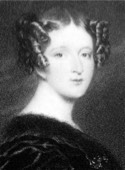
NameCatherine TYLNEY- LONG 

Birth2 Oct 1789, Bear Inn, Hungerford
Death12 Sep 1825
FatherSir James Tylney-Long 7th Baronet (1736-1794)
MotherLady Catherine Sydney WINDSOR (-1823)
Spouses
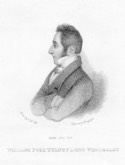
Birth22 Jun 1788
Death1 Jul 1857
FatherWilliam WELLESLEY-POLE 3rd Earl Of Mornington (1763-1845)
MotherKatherine Elizabeth FORBES (1761-)
Marriage14 Mar 1812, St James Piccadilly
ChildrenWilliam Richard Arthur (1813-1863)
Victoria Catherine Mary (1818-1897)
James Fitzroy Henry (1815-1851)
Notes for Catherine TYLNEY- LONG
https://en.wikipedia.org/wiki/Catherine_Tylney-Long
In 1812, the heiress Catherine Tylney Long dazzled in a cutting-edge, all-white wedding outfit, when she married William Wellesley Pole. They were the celebrity couple of their era – rich, sexy, notorious – and they wed in a blaze of publicity. Newspapers reports were like a spread in Hello magazine, focusing on the bride’s remarkable ensemble. Catherine’s gown was made from delicate Brussels point lace. Over this she wore full-length pelisse jacket made from shimmering satin with a luxurious sweep of soft white swans feathers swishing at her ankles. Her headdress was ornamented with two ostrich feathers and a long lace veil. The Morning Chronicle remarked on the enormous cost of Catherine’s outfit: ‘the Lady looked very pretty and interesting… The dress cost 700 guineas, the bonnet 150, and the veil 200’.
During the early nineteenth-century, white weddings were a relatively new trend reserved for the rich or the aristocracy. This is hardly surprising as the total outlay for Catherine’s ensemble was more than the average labourer earned in twenty years. Most women simply got married in their best gown regardless of the colour. But Catherine’s wedding outfit captured the public imagination, making white wedding dresses desirable across all classes in society. From this moment onwards, brides increasingly wore white as a symbol of romantic love and purity.
Catherine’s Regency wedding was a defining moment in the history of British weddings, setting a standard that remains popular today worldwide: the bride’s white wedding dress, the groom’s top hat and tails, the church ceremony, and the fine carriage to transport the newlyweds. Perhaps this formula had been used before, but never with such pomp or publicity.
In 1812, the heiress Catherine Tylney Long dazzled in a cutting-edge, all-white wedding outfit, when she married William Wellesley Pole. They were the celebrity couple of their era – rich, sexy, notorious – and they wed in a blaze of publicity. Newspapers reports were like a spread in Hello magazine, focusing on the bride’s remarkable ensemble. Catherine’s gown was made from delicate Brussels point lace. Over this she wore full-length pelisse jacket made from shimmering satin with a luxurious sweep of soft white swans feathers swishing at her ankles. Her headdress was ornamented with two ostrich feathers and a long lace veil. The Morning Chronicle remarked on the enormous cost of Catherine’s outfit: ‘the Lady looked very pretty and interesting… The dress cost 700 guineas, the bonnet 150, and the veil 200’.
During the early nineteenth-century, white weddings were a relatively new trend reserved for the rich or the aristocracy. This is hardly surprising as the total outlay for Catherine’s ensemble was more than the average labourer earned in twenty years. Most women simply got married in their best gown regardless of the colour. But Catherine’s wedding outfit captured the public imagination, making white wedding dresses desirable across all classes in society. From this moment onwards, brides increasingly wore white as a symbol of romantic love and purity.
Catherine’s Regency wedding was a defining moment in the history of British weddings, setting a standard that remains popular today worldwide: the bride’s white wedding dress, the groom’s top hat and tails, the church ceremony, and the fine carriage to transport the newlyweds. Perhaps this formula had been used before, but never with such pomp or publicity.